|
| Adoption Resources |
|
Advertisers |
|
| |
 | Infant Massage for Bonding: Touch to Connect by Carrie Thomas |
The arrival of a new son or daughter is definitely a milestone in anyones life. But unreasonable expectations for instant bonding and connection with an adopted child can lead to heartbreak and disappointment.
Because many adopted children have lived the beginning part of their lives without a constant caregiver, they havent had the same opportunity to bond as biological parents and children typically have. Bonding is not a one-way road. Many believe bonding refers to the child bonding to the parent, but often parents also have trouble bonding to their child.
Psychologists and doctors recognize bonding as essential to development because it gives the baby a feeling of security, trust, confidence and positive self-esteem, and the parent-child relationship serves as the babys first relationship model.
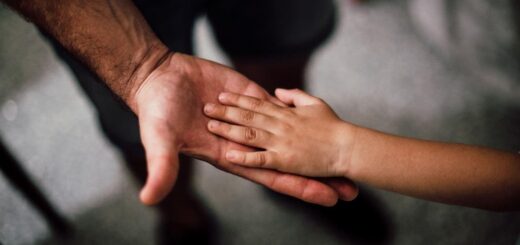
Bonding is not instantaneous; it takes time. Parents shouldnt feel guilty or depressed if they do not bond with their child immediately. Infant massage, though not new, is one method parents can use to create this important bond with their adopted children through touch.
Joni Rubinstein, both a certified licensed massage therapist and infant massage instructor, produced the 2002 video Bonding Through Touch: Infant Massage for Adoptive Families. It includes step-by-step instruction, narrated and demonstrated by adoptive families with their children. Also, the families share their adoption stories and explain how infant massage has influenced the bonding process. Rubinstein has focused her career on teaching parents to bond with their children, especially when bonding is suspended or in jeopardy. An expert on the subject, Rubinstein is sensitive to adoptive families and their special needs.
Sheryl Clark and Galina, her daughter adopted from Russia, are featured in the video. Galina was a little more than a year old when she came home to the United States, but it wasnt until she was about 2½ when they started doing the massages. Clark, who learned infant massage from Rubinstein, explained why connections are inherently delayed with children adopted from orphanages.
Connections form right away. Infants in an orphanage setting dont receive that, she said.
She also explained the importance of physical contact to a childs mental health and future, stressing the impact on children who havent initially had contact with an ongoing caregiver.
Bonding is so important for the human psyche, she explained. When thats not there, thats when things go wrong.
Del Spencer, another adoptive mother in Rubinsteins video, also shared how infant massage created a special time that helped ease her worries about parenting and bonding. She and Erin Hill are raising two boys, Brandon and Tyler, adopted from Guatemala.
I really enjoyed that time with the boys, Spencer said. I never really thought Id be a mother. I had certain apprehensions about being older, but I really wanted to feel that connection with a baby. Infant massage helped my worries melt away.
Neither Brandon nor Galina was massaged immediately following their arrival because their parents didnt know about the technique. The parents agreed they wished infant massage was something they knew about when their children came home with them. They were also surprised by how easy the strokes were and found the hardest part was getting their children to settle down and hold still for a massage.
Rubinstein explained that many parents dont know how to initiate touch and feel awkward about it. For this reason, infant massage presents itself as a wonderful option because it provides a platform for parents to work from. Clark enjoys doing the massage with her daughter and believes the video would be useful to all adoptive parents.
I think that its respectful, Clark said. You have a set of rules. Theres a process involved. Youre not on your own to figure it out. There are special techniques, ways of initiating it and carrying it out.
Why Touch?
For all children, especially children adopted internationally, its really important to do everything you can for bonding to make up for lost time, Rubinstein explained.
Touch is a wonderful way for families to communicate. In most cases, a language barrier causes communication difficulties. Many adopted children are too young to speak and understand, or they have already learned their native language and dont yet understand English.
Healthy touch with good boundaries is the best way to communicate since the baby doesnt understand the language. Touch is universal; it transcends language, Rubinstein said.
Its also important, however, to remember that touch is not instinctual for all children, as Clark found out with Galina.
I had a big revelation that cuddling and liking to be held are not natural instincts, she said.
Bonding for All Ages
Touch is an effective way for parents to bond with young children who have passed infancy, but not necessarily through massage. Rubinstein instructed that clothing should remain on for older children, aged 2 years or older. Parents should maintain good eye and verbal contact while not coming off too strong. A soothing tone of voice can convey caring and is good for bonding when children are still uncomfortable with touch. Also, incorporate touch slowly. It is imperative for parents to know as much as possible about their childs touch and cultural background, advised Rubinstein. For example, some cultures do not view eye contact the same way we do, and children might feel uncomfortable with loving gazes. Parents should remain in the childs limits and read his or her cues.
Rubinstein also suggested that for children adopted around 2 years old or older who have learned their native language, parents could use touch in games to teach them language skills. For example, massaging a hand and touching fingers can teach the child to count. Clark appreciated infant massage for her daughter, who was no longer an infant when they started, because it provided a structured, clear environment for touching.
For older children, she added, its a very respectful process of Is this OK? Are you ready to start? It was good for my daughter.
Baby Benefits, Parent Benefits
The benefits of infant massage are abundant. On the physical side, it can help improve circulation, increasing oxygen and nutrient flow and removing toxins from the infants body. It also helps with lymphatic fluid drainage. Among the best results are help in digestion, reduction of pain and colic and improvement of immune and nervous system functioning and development. Massage also helps a babys muscles develop.
On the psychological side, the benefits might make infant massage a secret weapon to calm a baby. The technique can help the baby sleep and also increase the amount and quality of sleep. Just as with adult massage, infant massage reduces stress. As far as psychological growth goes, it can enhance sense and increase alertness, activity, sociability, body awareness and ease of soothing. Since it also promotes trust in parents, infant massage is a great way to show children love and commitment.
Parents shouldnt be fooled into thinking their baby is the only one reaping the rewards of infant massage. Parents benefit from massaging their children because it encourages bonding through nurturing and helps them feel more confident and connected to their baby. Its also a great way for working parents to create a special quality time with their child. When performing the massage, parents will learn to communicate with their baby through touch and also be able to better read their babys cues. Plus, infant massage can be relaxing and fun for parents, too.
Even in a more general way, parents see how infant massage impacts their relationships with their children.
It was good for both of us, Clark said. It helped my feeling frustrated not having sustained physical contact with Galina. It was good for her to have a respectful way to get physical contact.
Bonding for the Whole Family
The nature of infant massage makes it easy to incorporate the whole family. Described by Rubinstein as very simple, very slow and very safe, even children can learn to massage their new infant sibling. This helps children bond, get to know each other and feel safe around each other. Teaching children infant massage will help them feel less threatened or jealous of the new baby.
Erin Hill, also raising Brandon and Tyler, believes infant massage had a great impact on the boys relationship. Brandon got involved by learning from Hill and Spencer how to massage Tyler.
Theyre best buds today, and I think infant massage had a part in that, she said.
It also ensures that physical contact will be safe, according to Rubinstein, because parents teach the older children how to correctly touch a baby. Though the fragility of babies is apparent to adults, children may not understand why they must touch babies gently. Also, parents supervise the massage, so they can rest assured that older children arent playing rough with the baby.
Kids are going to get their hands on the baby one way or another, so it may as well be structured and safe, she said. Parents should remember to praise their child when he or she is doing a nice, gentle job massaging the baby.
When its massage time, make sure to have a soft blanket on the floor to place the baby on. When the family gathers, everyone participates in bonding time.
Introducing and Integrating Massage
Another important point Rubinstein stresses is each child is different, and parents must know what kind of touch their baby has experienced. Some have received only utilitarian touch in the orphanage such as diaper changes and feedings, but not cuddling or nurturing. If this is the case, parents may have to ease into massage. Infant massage doesnt have to be a scheduled time to go through a set routine.
Its not realistic to think it will be really formal. You may have to sneak things in just to show, Hey, Im here; Im present. Its about conscious touch, Rubinstein said, explaining that any loving and intentional touch communicates caring and reliability. Little touches at the pediatricians office or a foot massage while changing a diaper let the baby know that he or she is safe and loved.
Clark, Spencer and Hill all found integrating massages into their childrens schedule worked the best. Clark used to give Galina massages before naptime, and Spencer and Hill give Brandon and Tyler massages after the boys take baths.
You have to figure out whats going to work for your childs schedule, Clark said.
A good point Hill brought up was that its difficult to keep kids still. Because of this, its challenging to go through a long routine. In the end, she and Spencer chose to narrow the massages down to the boys favorite strokes.
We personalized it to what the boys liked, Hill said.
Respect and Massage
Along with the babys background, another key part of infant massage is respect. Experts advise parents to ask their child for permission to give him or her a massage before starting. This gives children control and shows them their caregiver listens to and respects them.
Asking permission is important more than ever when the child has experienced sexual abuse. It also strengthens communication while learning to read the babys reactions. Even if the child does not yet speak or understand, still ask permission because it enforces a good habit. Start cautiously, and if the baby gives any sign saying he or she is uncomfortable with the touch, such as fussing or crying, stop. Fussing and crying are a babys way to say no.
|
| |
|