Holidays and Birthdays as Emotional Triggers for Adopted Children
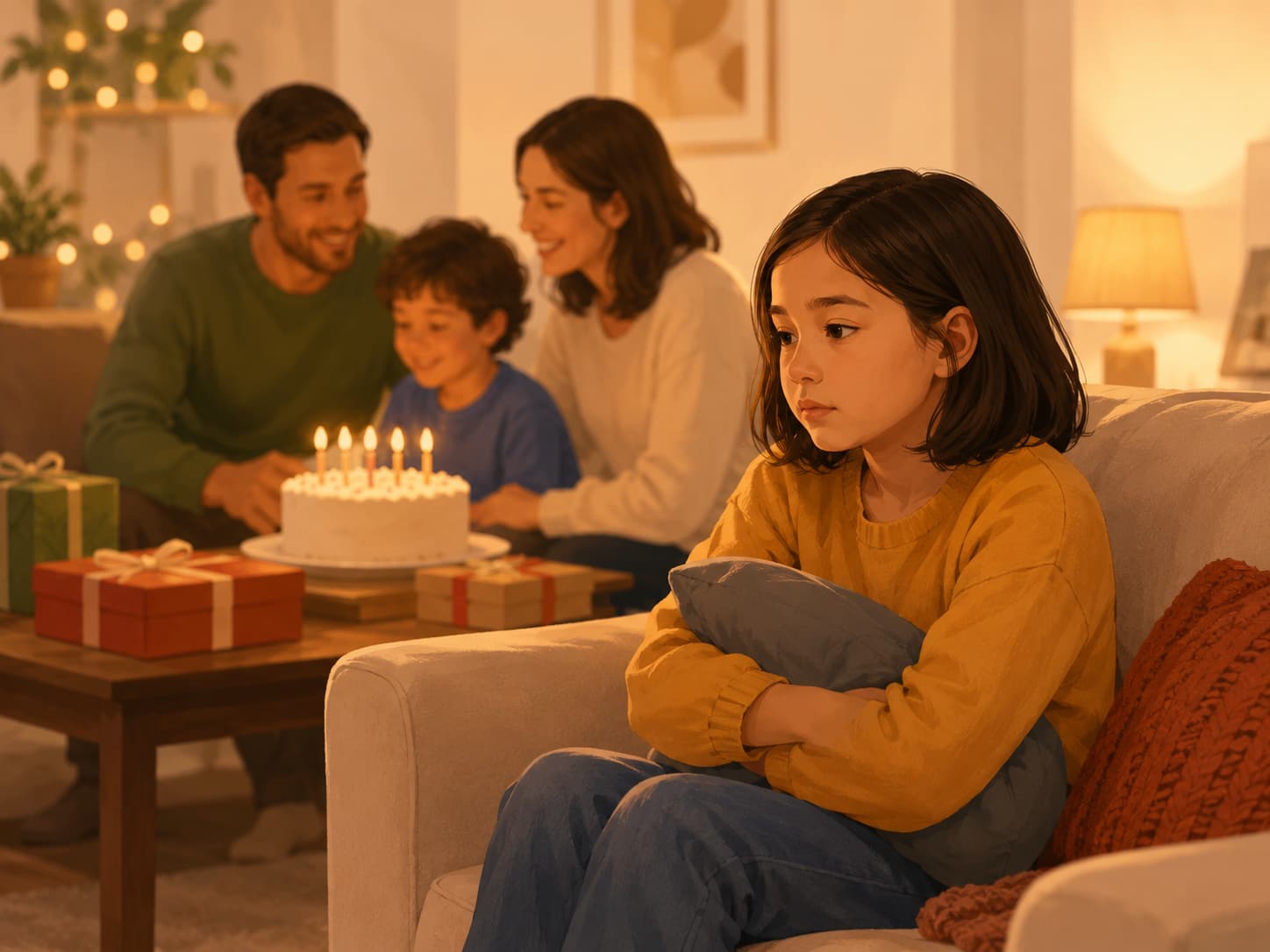
For many families, holidays and birthdays are the emotional high points of the year. They bring cake and candles, presents, decorations, familiar traditions, and relatives gathered around one table. Yet these same occasions often become difficult for adopted children, especially those whose early lives included separation, instability, neglect, or frightening experiences.
A child who seemed calm a week earlier may suddenly become irritable, withdrawn, anxious, or explosive. A birthday party ends in tears. A holiday gathering leads to arguments, refusal, or a major meltdown after the guests leave. Parents often assume that they planned too much, chose the wrong gift, or failed to make the occasion special enough.
The celebration itself is rarely the real problem. Holidays and birthdays combine emotional reminders, disrupted routines, sensory overload, and intense expectations. For a child carrying unresolved grief or uncertainty about their origins, the happiest day on the family calendar can also become one of the hardest.
Birthdays connect the child with their origins
A birthday is not simply a party. It marks the day the child was born and connects directly to their earliest history. Questions about birth parents, separation, identity, and belonging often become more noticeable around this date.
The child may enjoy the presents and attention while also feeling sadness, anger, confusion, or an unexplained sense of absence. These emotions do not cancel each other out. Joy and grief can exist at the same time.
Younger children rarely have the language to explain this conflict. Their feelings appear through behavior instead. They become clingy, restless, aggressive, unusually quiet, or unable to sleep. They argue about small details or reject the celebration entirely. What looks like ingratitude is often emotional overload.
A child’s understanding of adoption also changes with age. At five, adoption may mean having two families. At nine, the child begins to understand that joining one family required losing daily life with another. During adolescence, birthdays can raise deeper questions about identity, resemblance, ancestry, and the circumstances of the adoption.
A birthday that felt easy one year may therefore become difficult the next.
Holidays place family loss under a spotlight
Holidays are built around the idea of family togetherness. Films, advertisements, school activities, and traditions present a familiar image: everyone returns home, relatives reunite, and the family feels whole.
For an adopted child, this message can highlight people who are absent. The child may think about birth parents, siblings living elsewhere, former caregivers, or earlier homes. They may wonder whether those people are celebrating, whether they remember the child, or whether life would have looked different in another family.
Open adoption does not automatically remove these feelings. Contact with birth relatives can be meaningful and reassuring, but it can also bring longing, divided loyalties, and difficult questions. A child may love the adoptive family while still grieving relationships that changed or ended.
Previous holidays may also carry painful associations. A particular season could be connected with removal from a home, a placement change, family conflict, or the last contact with someone important. The present celebration may be safe, but familiar sounds, smells, decorations, and rituals can still activate emotions connected to the past.
Routine disappears when the child needs it most
Holidays and birthdays change the structure of an ordinary day. The house looks different. Decorations fill familiar spaces. Music plays, unusual food is served, visitors arrive, and bedtime moves later.
For a child whose early life lacked stability, routine provides more than convenience. It creates safety. Predictable meals, familiar transitions, and consistent bedtime show that the environment is controlled and understandable.
When the routine suddenly disappears, the child loses that anchor.
Celebrations also create heavy sensory demands. Several conversations happen at once. Lights flash, music plays, people take photographs, relatives ask questions, and gifts are opened under observation. Adults may repeatedly touch or hug the child without noticing their discomfort.
The eventual meltdown often appears to be about a minor problem: the wrong piece of cake, a missing toy, or being asked to say thank you. In reality, the child may have spent hours absorbing more stimulation than they could manage.
Attention and generosity can feel overwhelming
Adults usually assume that children enjoy being the center of attention. For a child who finds closeness, praise, or affection difficult to tolerate, that attention feels exposing.
Birthday traditions often require the child to sit in front of a group, open each present, react enthusiastically, pose for photographs, accept hugs, and thank every guest correctly. There is little room for privacy or emotional hesitation.
Presents can create pressure too. A child with a history of deprivation may become possessive, suspicious, guilty, or afraid that the gifts will later disappear. Another child may reject a present before becoming attached to it. Pushing away something good can feel safer than risking its loss.
The child is not rejecting the family’s love. They are trying to regain control during an experience that feels emotionally intense.
Anniversary reactions are not always obvious
Dates, seasons, smells, songs, and family rituals can reactivate feelings connected to earlier loss or fear. Clinicians often describe this as an anniversary reaction.
The child does not need a clear autobiographical memory for the reminder to affect them. A particular month, type of gathering, food, or decoration may resemble an earlier experience. The child feels distressed without understanding the source.
This explains why behavior sometimes changes before the celebration itself. Sleep becomes difficult, anxiety rises, or conflicts increase during the days leading up to the event. Neither the child nor the parents immediately connect the reaction with the date.
Recognizing the pattern prevents adults from treating the distress as deliberate misbehavior.
Lowering the pressure helps more than adding excitement
The answer is rarely a larger party, more gifts, or stronger attempts to create happiness. More stimulation usually makes an overwhelmed child feel worse.
Smaller celebrations provide more safety and control. Parents can explain the full plan in advance: who will attend, what will happen, when gifts will be opened, and when the event will end. Maintaining normal meals and bedtime also reduces stress.
The child should have choices. They can open presents privately, decline hugs, leave the room for a break, or celebrate with only a few trusted people. A calm space should remain available without being presented as punishment.
Parents also need to make room for mixed emotions. They can explain in simple language that important days often bring several feelings at once and that the child does not need to feel happy throughout the entire celebration. This removes the demand to perform gratitude or excitement. It also shows that sadness, anger, and uncertainty will not threaten the child’s place in the family.
After the event, parents can look for patterns without turning the conversation into an interrogation. They can consider when the distress began, which parts of the day were most difficult, whether the gathering lasted too long, and whether sleep or meals were disrupted. These observations make it easier to plan a calmer celebration next time.
Difficult celebrations can still build trust
A hard birthday does not mean the child is ungrateful. A holiday meltdown does not mean they reject the adoptive family. These reactions often reflect grief, overstimulation, fear, and a need for greater predictability.
As safety and trust grow, celebrations usually become easier. Progress is rarely perfectly steady, but each calm response teaches the same lesson: the family remains present during both joy and distress.
When parents respond with patience instead of disappointment, the child learns that belonging does not depend on smiling for photographs, enjoying every gift, or behaving perfectly at the table. That sense of dependable belonging matters far more than creating a flawless holiday.